“B2 required”, “minimum A2”, “C1 a plus”… The CEFR levels are everywhere, but they’re rarely explained. Here’s a clear guide to each level, valid for English, French, German, Spanish and any other European language.
What is the CEFR?
The Common European Framework of Reference for Languages (CEFR) is the system schools, universities and employers across Europe use to describe what someone can do in a language. It has three bands: A (basic user), B (independent user) and C (proficient user), each split into two levels.
The six levels, one by one
- A1 – Beginner. You understand and use very basic expressions, introduce yourself and ask simple questions.
- A2 – Elementary. You manage everyday tasks: shopping, ordering in a restaurant, talking about your family.
- B1 – Intermediate. You cope with most travel situations, give your opinion and describe experiences.
- B2 – Upper intermediate. You speak fluently with native speakers, follow a film and argue your point.
- C1 – Advanced. You use the language flexibly at work, at university and socially.
- C2 – Proficiency. You understand virtually everything and express yourself with full precision.
How long does each level take?
Cambridge gives these approximate guided learning hours (cumulative, from zero) for English. French, German and Spanish are similar for most Europeans; Korean usually takes considerably longer.
| Level | Approximate hours |
|---|---|
| A1 | 90–100 hours |
| A2 | 180–200 hours |
| B1 | 350–400 hours |
| B2 | 500–600 hours |
| C1 | 700–800 hours |
| C2 | 1,000–1,200 hours |

Which official exam matches each language?
- English: Cambridge (A2 Key, B1 Preliminary, B2 First, C1 Advanced, C2 Proficiency) and LanguageCert. Koyot Academy is an official LanguageCert exam centre. See English certificates.
- French: DELF (A1–B2) and DALF (C1–C2). Read more in DELF and DALF.
- German: Goethe-Zertifikat, from A1 to C2. See Goethe-Zertifikat.
- Spanish: DELE (A1–C2) from the Instituto Cervantes, as well as SIELE. See the DELE exam.
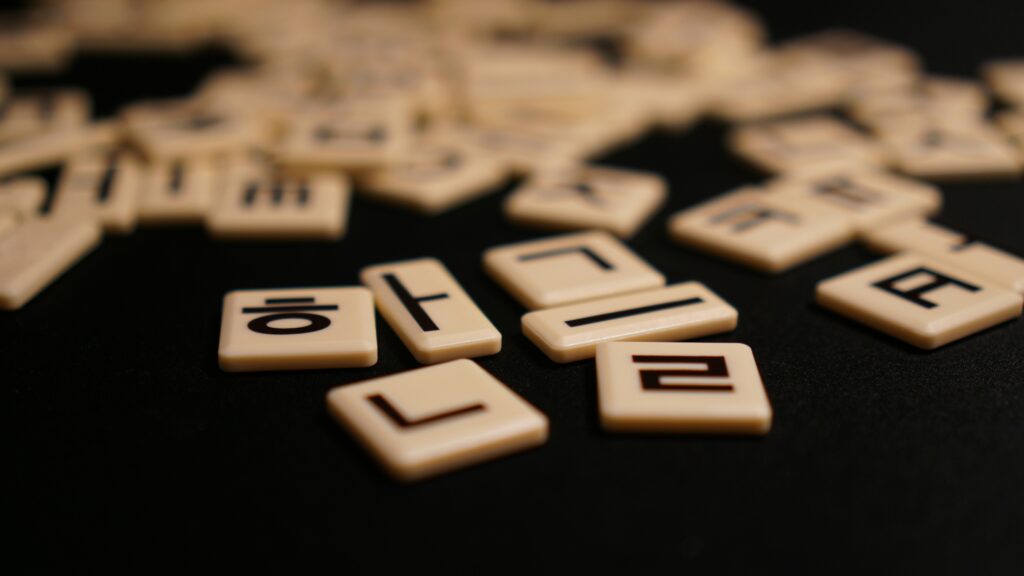
- Korean: TOPIK, which uses its own scale from 1 to 6.
So what’s your level?
The quickest way to find out is our free language level test: choose English, Spanish, French, German or Korean, answer 50 questions in about 20 minutes and get your result plus a certificate by email. Then, in your free first class, your teacher confirms it and recommends the right group at our language school in Mislata.
Frequently asked questions
What level do employers usually ask for?
Customer-facing jobs or roles with international clients often require B2. For many positions, a solid B1 is already a good starting point.
Does a language level expire?
Official certificates such as Cambridge, DELF or DELE don’t expire, although some employers or universities prefer recent ones. Your real level, however, does drop if you stop practising.
Ready to move up a level? Come and meet us: your first trial class is free and without obligation.